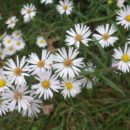
Our native wildflowers are still putting on a show, in addition to provisioning late season pollinators and butterflies searching for fuel to carry them through the winter. Some of those creatures hibernate right here, others are taking wing and … [Read more...]
Don Davis: Get your fall gardens going
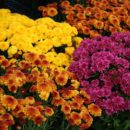
Summer gardens are winding down and fall gardens are starting up. September is a busy month if you want homegrown food, a tidy yard and lush indoor greenery. MORE SOURCE: … [Read more...]
How to deal with fall webworms
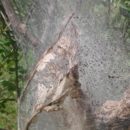
The signs of fall are all around us: shorter days, cooler temperatures, pumpkin-spiced foods and an abundance of silky nests in hardwood trees and shrubs. That last sign is the often-unwelcomed indication that the fall webworm has arrived. The … [Read more...]
Gardening for Butterflies
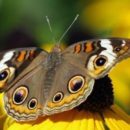
Learn about the butterfly life cycle, and how to manage your garden to attract butterflies. They are also extremely important ecologically. Butterflies pollinate flowering plants and serve as food for other organisms, thus forming an important link … [Read more...]
An Introduction to Seed Saving for the Home Gardener
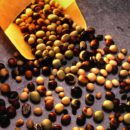
Seed saving is an ancient art that enabled humans to cease being hunter gatherers. Up until the end of World War II, home gardeners typically saved their own seeds, because high-quality seeds at affordable prices were generally not available. … [Read more...]
Planting Fall gardens: Fall Gardening Guide For Zone 7 Gardens
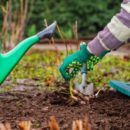
Summer days are waning but for gardeners in USDA zone 7 that doesn’t have to mean the last of the fresh garden produce. Okay, you may have seen the last of the garden tomatoes, but there are still plenty of veggies suited for zone 7 fall planting. … [Read more...]
Home Fruit Plantings: Elderberries
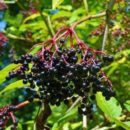
Because of their tartness and relative seediness, elderberries are rarely eaten fresh. However, they offer a low-cost, low-maintenance fruit crop from which a delightful jelly or pie can be produced. MORE SOURCE: … [Read more...]
Pollinators need more than pollen and nectar to survive and help produce food for people
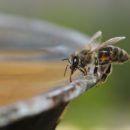
To survive, pollinators need more than just flowers as sources of pollen and nectar. They also need water, bare ground for nesting, shelter and nesting materials. In natural areas, these items are readily available. But in urban and residential … [Read more...]
Holes in the Lawn
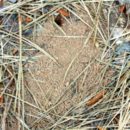
When holes and excavations mysteriously appear in lawns, it is helpful to note the season, location, and size. These are helpful clues when trying to identify the culprit and prevent further damage. The following information should help match the … [Read more...]
Tomato Diseases & Disorders
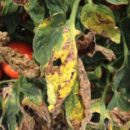
Tomatoes (Solanum lycopersicum) can be grown on almost any moderately well-drained soil type. A good supply of organic matter can increase yield and reduce production problems. Tomatoes and related vegetables, such as potatoes, peppers and eggplants, … [Read more...]