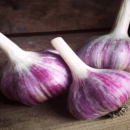
Garlic, a member of the onion family, may be grown successfully in most Virginia home gardens. There are early (white or Mexican) cultivars and late (pink or Italian) cultivars. The early cultivar does not store well and has poorer quality, but … [Read more...]
How and When to Divide Perennials
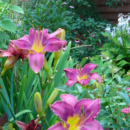
Perennials grace our gardens year after year with their variety of brilliant colors and unique foliage forms. After a few years in the garden, these perennials may start to produce smaller blooms, develop a 'bald spot' at the center of their crown, … [Read more...]
Weed Alert – Tree of Heaven
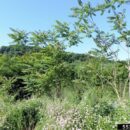
Blue Ridge PRISM Recommendations SOURCE: Blue Ridge PRISM … [Read more...]
Fall is the Season for Cool Season Lawn Recovery
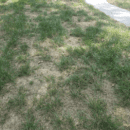
There are lots of cool‐ season lawns (tall fescue, Kentucky bluegrass, and perennial ryegrass either as single species or mixtures) that look like this following the roller coaster of summer weather patterns that featured record heat and drought, … [Read more...]
Late Summer House Plant Clean Up
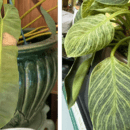
The key to healthy plants is keeping them tidy. But with all the things going on in our lives, especially with busy summer vacations, taking care of our plants can fall by the wayside. However, now is a great time to do clean up and tend those … [Read more...]
Trees of Life – Fraser Magnolia
Fraser Magnolia (Magnolia fraseri - mag-NO-lee-ah frah-SER-ee) Common Name(s): Earleaf Cucumber Tree,Earleaf Magnolia,Earleaf Umbrella Tree,Fraser Magnolia,Mountain Magnolia The Fraser or Mountain Magnolia is found in our mountain areas in … [Read more...]
Japanese Stiltgrass
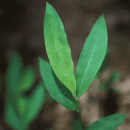
Blue Ridge PRISM Recommendations Japanese stiltgrass (Microstegium vimineum) was once used as packing material for transporting porcelain from Asia to North America. It was discovered in the wild in the United States in 1919, most likely due to … [Read more...]
Eastern Yellowjacket
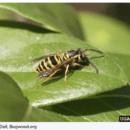
The eastern yellowjacket is a ground nesting species found throughout most of the eastern United States - from North Dakota to Texas and east to the Atlantic coast. It is very common in woodlands, pastures, parks and lawns. CONTINUE SOURCE: … [Read more...]
Trees of Life – Paw Paw
Paw Paw - Asimina triloba (oh-SIH-min-oh trih-LO-boh Paw Paw, the name based on the Spanish word for papaya, is a small native tree often found near creek banks. Its most outstanding feature is the fruit it produces; with a flavor described as … [Read more...]
Genome study informs restoration of American chestnut tree
Native trees adapt to the climate and environmental conditions of their area to survive. Researchers in the College of Natural Resources and Environment in collaboration with the American Chestnut Foundation confirmed this by examining the genome of … [Read more...]