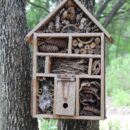
In the wild, solitary insect species, like wood-boring beetles and solitary bees, search for cavities in wood to lay eggs. These cavities are typically left by burrowing beetles, woodpeckers, or the tree’s own natural growth. Some species, like … [Read more...]
From the Help Desk – Isn’t That Just Plum-Dandy!

QUESTION The client called about a 6-yr old plum tree that had fruit for 3 years but not for last 2 even though it bloomed well. DIAGNOSIS / RECOMMENDATION The problem was identified as a lack of a pollinator variety. Japanese plums … [Read more...]
From the Help Desk
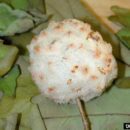
Oh, the Gall of it All QUESTION The client submitted a photo of a strange growth on his oak tree and asked to know what it is and if he should do something about it. DIAGNOSIS / RECOMMENDATION It was identified as the wool sower gall, … [Read more...]
Asian Lady Beetle Infestation of Structures
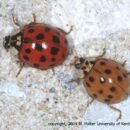
Large numbers of lady beetles (ladybugs) infesting homes and buildings in the United States were first reported in the early 1990s. Ladybugs normally are considered beneficial since they live outdoors and feed on plant pests. MORE SOURCE: … [Read more...]
What happens to bees in winter?
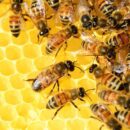
Bees do not hibernate in winter. They slowly and continuously flex their wings, creating vibrations that keep themselves and the hive warm throughout the winter. Read more: … [Read more...]
Woollybear Caterpillar
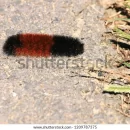
The woolly bear is a common and well-known caterpillar. Though most people have one kind of woolly bear in mind, there are 8 or more species in the U.S. that could legitimately be called woolly bears because of the dense, bristly hair that covers … [Read more...]
Fall armyworm outbreak in Virginia – Turf, sod, small grains, late sweet corn, sorghum, and other crops at risk.
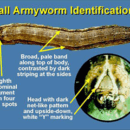
Recently, some VCE agents as well as golf course superintendents in the northcentral and southwestern counties of Virginia have reported fall armyworm outbreaks on lawns and golf courses. This outbreak is earlier than usual and potentially could … [Read more...]
Beware of the Stinging Puss Caterpillar, Warns Virginia Tech Insect Expert
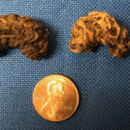
While most of the stinging caterpillars have bright contrast in colors, this one doesn’t. Its appearance may be considered misleading, as its earthy shades do not give off the “do not touch” warning colors that you may expect a dangerous caterpillar … [Read more...]
Beneficial Wasps and You
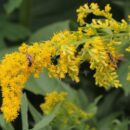
Don’t be scared! Did you know…Wasp pollination and predatory efforts are signs of a healthy ecosystem!?! Read on: … [Read more...]
Squash bugs in home gardens
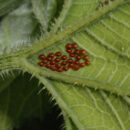
Squash bugs can live through the winter as adults in sheltered places, such as under plant debris, around buildings, or under rocks. When adults come out in the spring, they fly to growing cucurbit plants to feed and mate. Read on: … [Read more...]