Douglas Goldman, USDA CC BY-NC 4.0
Paw Paw – Asimina triloba (oh-SIH-min-oh trih-LO-boh
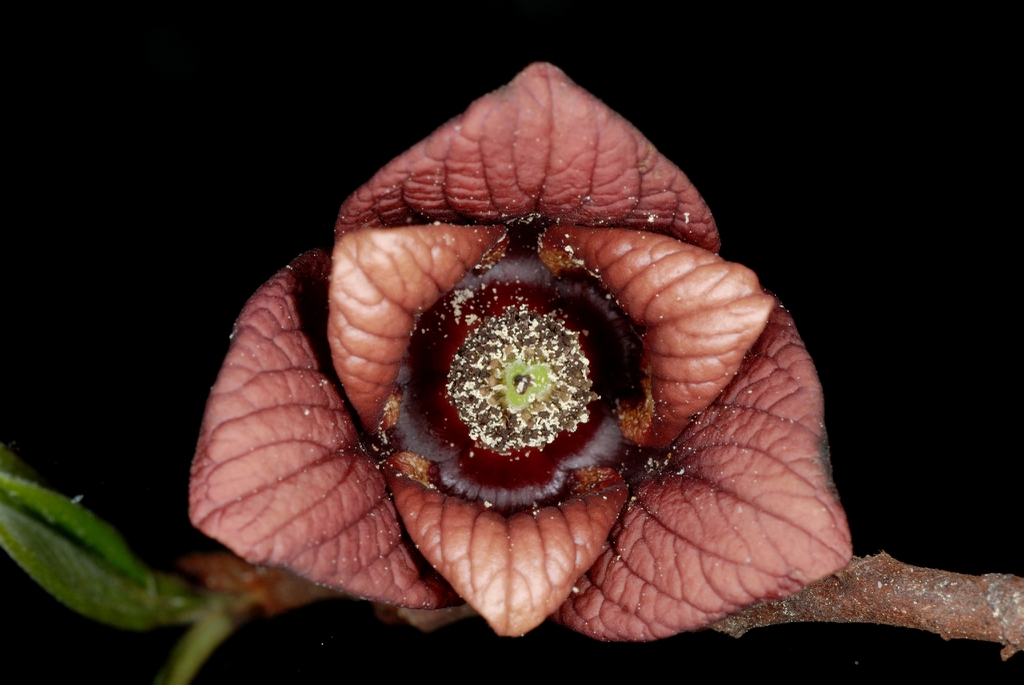
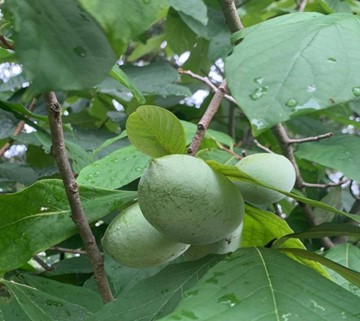
Paw Paw, the name based on the Spanish word for papaya, is a small native tree often found near creek banks. Its most outstanding feature is the fruit it produces; with a flavor described as similar to bananas but with hints of mango, vanilla, and citrus. Paw Paws are the largest edible native fruit in North America and their creamy texture and high nutritional value make them great for smoothies, baby food and of course, paw paw pie! The unusual brownish red flowers have a smell that attracts beetles and flies as primary pollinators. The trees often grow in clumps that are genetically related and successful pollination requires pollen from an unrelated paw paw tree. Although the fruits are popular with almost all wildlife, deer won’t eat the leaves or branches ensuring the Paw Paw’s future in our forests which are dealing with deer overpopulation.
Family: Annonaceae
Height: 15 to 30 feet
Spread: 15 to 30 feet
Bloom Time: April to May
Bloom Description: Purple
Sun: Full sun to part shade
Flower: Fragrant, Insignificant
Leaf: Good Fall, yellow
Fruit: Showy, Edible
Tolerates: Wet Soil, Black Walnut
Benefits: Zebra Swallowtail larvae
.
SOURCES:
https://plants.ces.ncsu.edu/plants/asimina-triloba/; https://www.nps.gov/articles/pawpaw.htm; https://www.missouribotanicalgarden.org/PlantFinder/PlantFinderDetails.aspx?kempercode=b500
SUBMITTED BY: Rosemary F., Bedford Extension Master Gardener