Sassafras albidum – SAS-ah-fras AL-bih-dum; Common Names: Cinnamon Wood, Mitten Tree
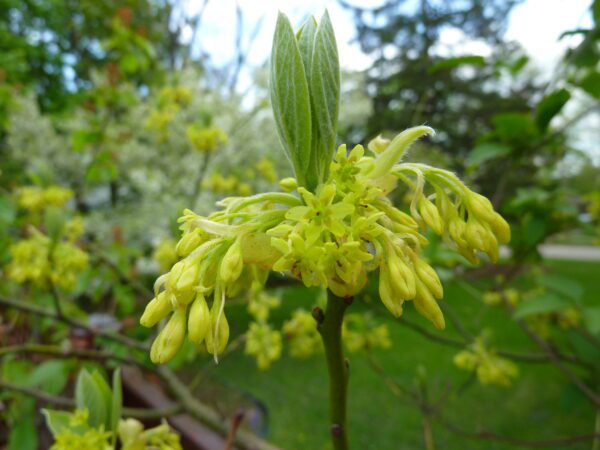
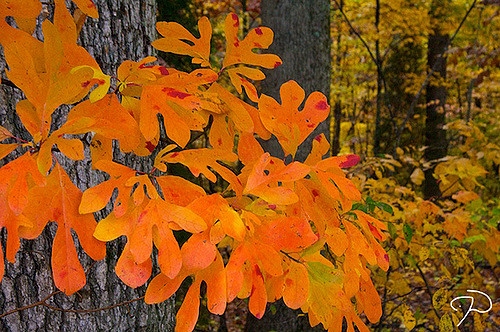
This is a tree that can be filed under “what’s not to like?” Animals· from humans to rabbits, birds, insects and fungi, all love this tree. Natives used it extensively, both medicinally and for their dugout canoes. Teas and drinks are made from the roots. The oil is used as a perfuming agent. Root beer used to be flavored from the bark of the roots of the sassafras. The leaves are dried and ground to make file powder, a common thickening ingredient in gumbo. And about those leaves…there are three configurations all found on the same tree (oval without lobes, mitten-shaped, and three-lobed.) Those leaves also put on a spectacular fall color display of yellow, gold, orange, red and burgundy. The spring flowers look like miniature exotic headdresses becoming sweet little drupes of bluish black berries in the fall on the females.
Wildlife benefitting include the larvae of the Imperial Moth (Eacles imperialis) and Spicebush Swallowtail (Papilio troilus). Fruits are eaten by eastern bluebirds, red-eyed vireos, quail, wild turkeys, kingbirds, crested flycatchers, mockingbirds, sapsuckers, pileated woodpeckers, yellowthroat warblers and phoebes. Bark, twigs and leaves support bears, beaver, deer, squirrels and rabbits which the trees can withstand.
Family: Lauraceae
Native Range: Eastern United States Zone: 4 to 9
Height: 30 – 60 ft
Spread: 25 – 40 ft
Bloom Time: March to May Bloom Description: Pale Yellow
Sun: Full sun to part shade Water: Medium Maintenance: Low
Leaf: Good Fall Color
Fruit: June through September
Tolerates: Clay Soil, Black Walnut, Drought, HeatFungi: Host to Lions Mane, Oyster Mushrooms
RESOURCES: www.fieldforest.net; https://plants.ces.ncsu.edu/plants/sassafras-albidum/
Submitted by Rosemary F., Bedford Extension Master Gardener Volunteer