Sourwood Tree
Oxydendrum arboreum– ok-see-DEN-drum ar-BOR-ee-um
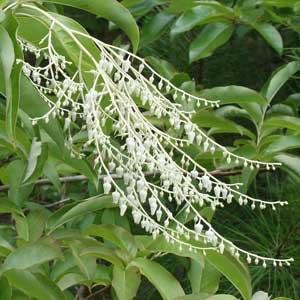
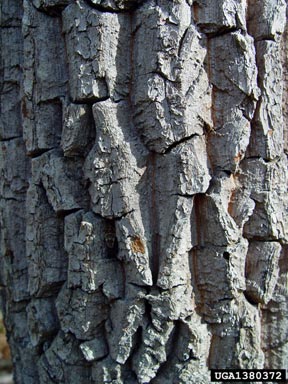
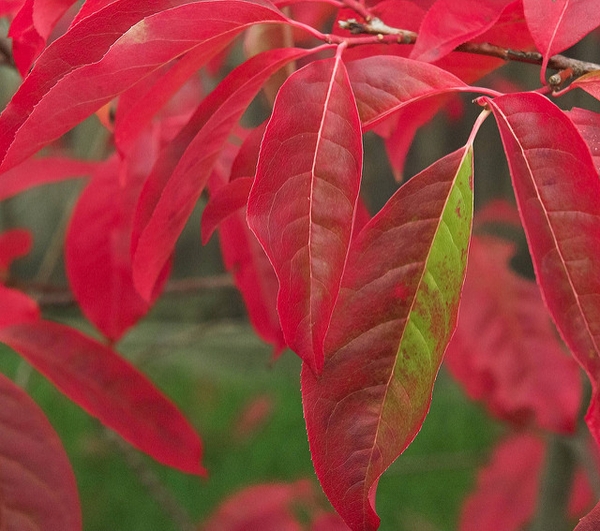
If you are looking for a native tree with beauty, usefulness and character consider the Sourwood Tree. Also, known as Sorrel or Lily of the Valley tree, it’s beauty lies in its foliage and flowers. The leaves are shaped much like a peach tree’s with a graceful drooping habit and gorgeous autumnal colors. The flowers resemble the pendulous bells of the Lily of the Valley plant. They are fragrant and irrisitable to honey bees bringing us to the tree’s usefulness. Sourwood honey is an Appalachian delicacy inspiring comments such as this made by Conservationist Carson Brewer : “most honey is made by bees, but sourwood is made by bees and angels”. Additionally the bark, leaves and flowers are all edible and have been used medicinally throughout history especially for digestive issues. As to character, the Sourwood’s bark develop crags and crannies as it ages and in a wooded setting the trees will grow in a crooked sometimes zigzagged manner searching for the sun amongst larger trees and growing to 40′-50′. In a garden setting it rarely gets taller than 20′-30′ and it can be kept close to terra firma by a late winter pruning every few years. It will grow in part shade or sun, in acidic soils, is not prone to disease or insect damage but does not tolerate pollution.
Facts: Fun Stuff:
- Family: Ericaceae
- Height: 20 to 50 feet
- Spread: 10 to 25 feet
- Sun: Full sun to part shade
- Water: Medium
- Maintenance: Low
- Tolerate: Deer
- Showy, fragrant white blooms in June and July (monoecious)
- Attracts pollinating insects especially honey bees
- Fall colors of peach, scarlet and burgandy
- Hikers chew the leaves, which taste like sorrel, to alleviate thirst
REFERENCES: https://naturalsciences.org/ https://www.missouribotanicalgarden.org/ : https://lee.ces.ncsu.edu/2022/07/sourwood-a-honey-of-a-tree/ https://plants.ces.ncsu.edu/plants/oxydendrum-arboreum/
SUBMITTED BY: Rosemary F., Bedford Extension Master Gardener volunteer.